SigmaGraft Biomaterials

Clinical Education

Biomaterials that support the body’s. path to repair.

See how regenerative biomaterials are used in dental, orthopedic, and wound-care settings--from placement to healing.

Designed for regenerationsupporting the body’s natural healing environment

The fundamentals

Two tissue systems.
One goal: regeneration.

Regenerative biomaterials are selected for the tissue being treated, the shape and location of the defect, and the clinical objective.

01 — HARD TISSUE

Bone support

Grafts and bone-void fillers can maintain space, provide a scaffold, or fill a defect while bone forms and remodels.

  • Mineralized structure
  • Space maintenance
  • Bone remodeling

02 — SOFT TISSUE

Protection & reinforcement

Membranes, matrices, and collagen scaffolds can protect a site, guide healing, or reinforce repaired tissue.

  • Barrier function
  • Cellular support
  • Tissue remodeling

Clinical applications

Where regenerative materials are used.

Select a clinical area to explore typical uses. The precise indication, handling method, and expected outcome depend on the specific product and patient.

01

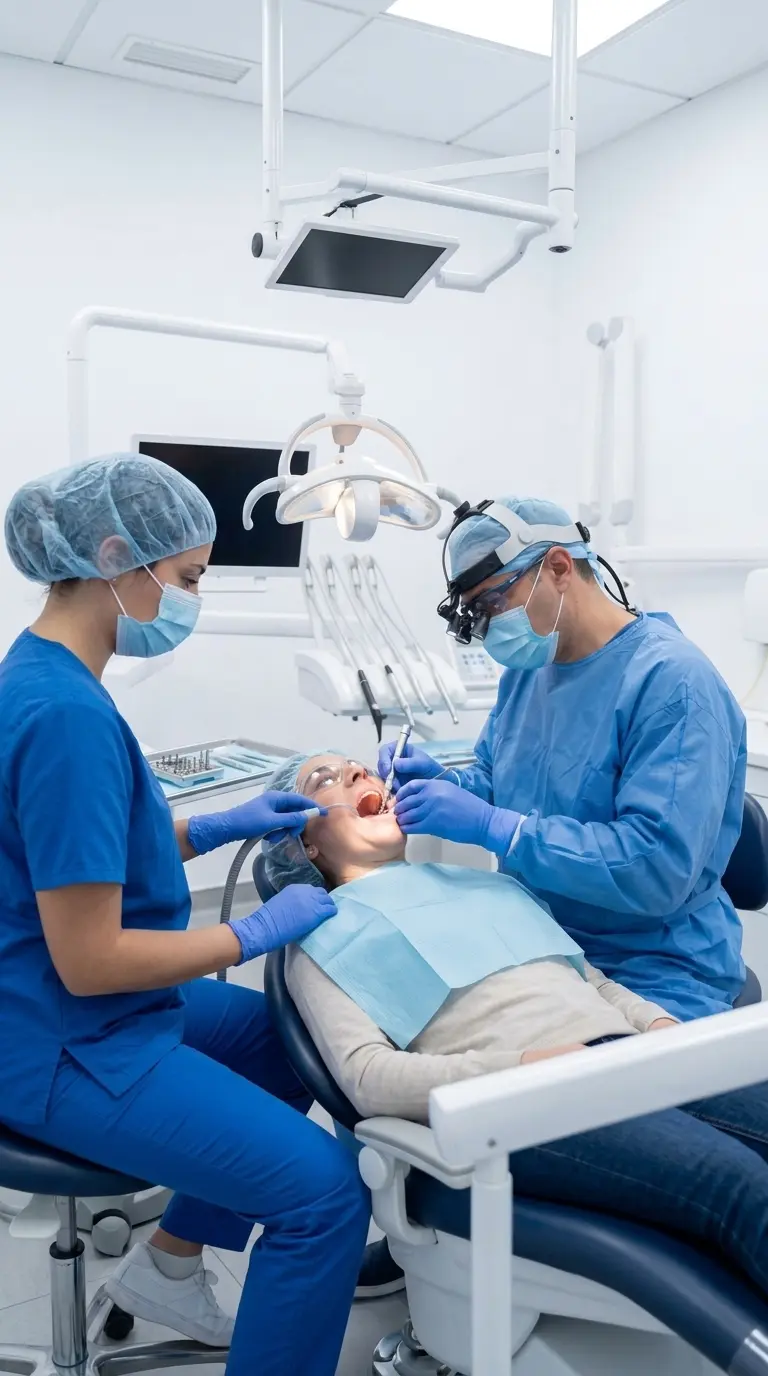
Dental & maxillofacial

Hard tissue

Supporting bone regeneration

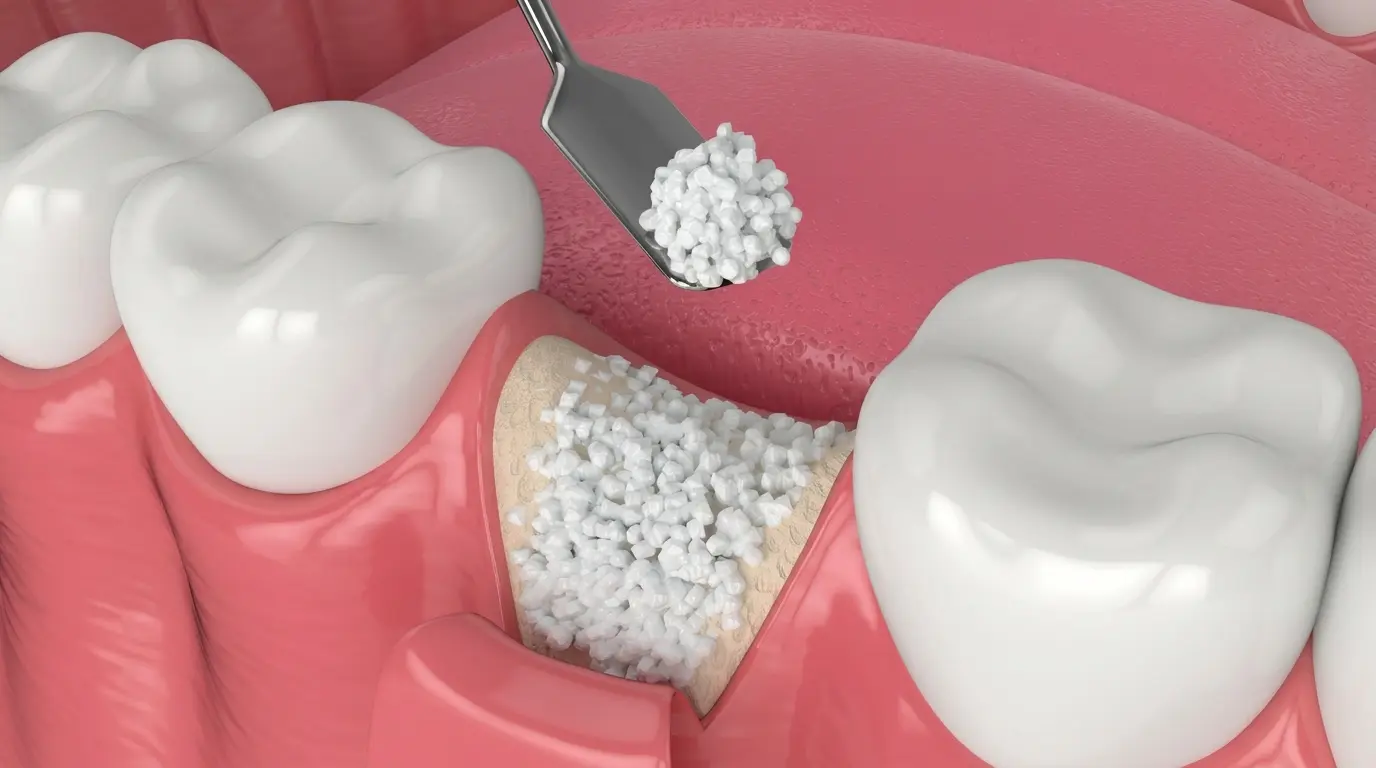
Bone grafting materials are placed into a prepared defect to provide space and a scaffold for new bone formation.

Typical clinical uses
  • Preserving the jaw ridge after tooth extraction
  • Augmenting an alveolar ridge before implant placement
  • Filling periodontal, peri-implant, or cyst-removal defects
  • Supporting maxillary sinus floor elevation procedures
Defect prepared Graft placed New bone remodels

Soft tissue

Protecting the healing site

Resorbable or non-resorbable barrier membranes separate faster-growing soft tissue from the bone-regeneration space. Other collagen materials may protect oral wounds.

Typical clinical uses
  • Guided bone and guided tissue regeneration
  • Extraction sockets and periodontal defects
  • Implant dehiscence and fenestration defects
  • Temporary protection of oral mucosal wounds
Membrane positioned Site protected Tissue heals

Clinical literature

Explore the evidence behind clinical use.

Selected peer-reviewed resources provide a starting point for understanding the clinical evidence supporting regenerative biomaterials across dental, orthopedic, and wound-care settings.

Links open the PubMed record for each publication.
02

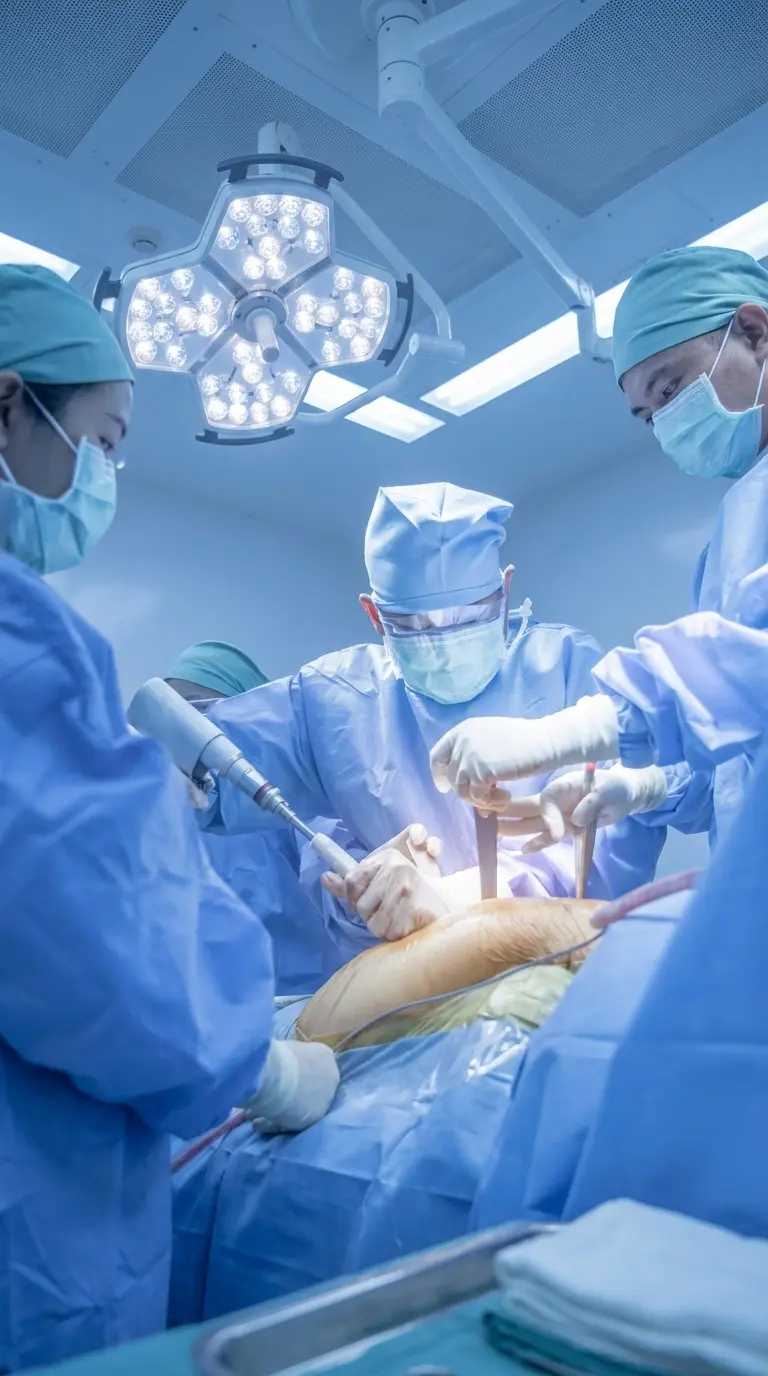
Orthopedic

For patients & partners

What to know before a biomaterial is used.

Does a regenerative biomaterial “grow” new tissue?

Most products provide a scaffold, barrier, filler, or reinforcement that supports the body’s healing process. The biological response varies by material, procedure, and patient.

Does the material remain in the body permanently?

Some materials resorb or remodel over time, while others are designed to remain. Your clinician should explain the specific product selected for your procedure.

Are all products used for the same indications?

No. Products that look similar can have different cleared or approved indications, contraindications, handling instructions, and clinical evidence.

What should patients ask their clinician?

Ask what material will be used, why it was selected, its source, whether it resorbs, important risks, alternatives, and what to expect during recovery.

Contribute to Clinical Knowledge

Advancing the standard of care to improve patient outcomes.

Connect with SigmaGraft Biomaterials to discuss clinical applications and research collaboration opportunities.

JOB INQUIRY

Get in touch

Submit your inquiry to info@sigmagraft.com about a job opportunity or submit your resume.

Elcin Chang is the Executive Vice President of SigmaGraft Biomaterials, where he oversees the research and development of next-generation biomaterials, the manufacture of high-quality medical devices, and the company’s private-label business segment.

Elcin Chang joined SigmaGraft in 2019, initially working in legal and regulatory affairs before becoming involved in nearly every aspect of the business, from research and development to manufacturing. He graduated from the University of San Diego with a degree in political science and joined the U.S. Army Reserve after college. He later earned both a law degree and an M.B.A. from the University of Maryland.

Outside of work, Elcin enjoys traveling and playing sports. He is deeply committed to his work, family, church, and community.